

Diagnostic clarification
Clarify the likely cause of psychosis, recognize additional conditions, and guide appropriate treatment.
Why this matters
We provide diagnostic clarity and personalized treatment recommendations for people with psychotic disorders, at every stage of illness.
Referrals must be submitted by the patient’s treating psychiatric provider, who receives our recommendations and continues to manage ongoing care.
What we provide
A one-time consultation tailored to the patient’s needs and the referring clinician’s questions.
Clarify the likely cause of psychosis, recognize additional conditions, and guide appropriate treatment.
Assess persistent symptoms, possible treatment resistance, and whether clozapine or another approach may help.
Balance medication effectiveness, side effects, physical health, and the practical challenges of taking medication.
Developmentally informed assessment, age-appropriate treatment planning, and family involvement.
Understand psychosis, notice early changes, and communicate supportively—including when a loved one declines treatment.
Recommendations on psychological treatments, community supports, and care pathways that fit the patient’s recovery goals.
How it works
The patient’s treating psychiatric provider manages ongoing care. Our team provides an in-person specialist consultation and recommendations.
Treating psychiatric provider
The prescribing psychiatrist or psychiatric nurse practitioner completes the online referral form.
MGH consultation team
The patient and family receive treatment recommendations and psychoeducation.
MGH consultation team
Clear, actionable, stage-appropriate recommendations are sent directly to the referring clinician.
Treating psychiatric provider
The treating clinician reviews the recommendations with the patient and incorporates them as clinically appropriate.
MGH consultation team
Patients may return in 1–2 years. A new referral from the prescribing psychiatric provider is required.
By the numbers
Findings from consultations between January 2017 and October 2023.
Background video transcript: Hello, I am Oliver Freudenreich, or Dr. F, as my patients call me. I am the co-director of the MGH Psychosis Clinical and Research Program. I want to alert you to one program that I started and I've been doing for over 20 years, and that is the MGH Psychosis Consultation Service. So I do offer second opinion consultations to patients and their families in conjunction with the treating clinicians, with the hope to get the best possible outcome for their loved ones.
Our team
Specialists in schizophrenia and psychosis, with team participation tailored to each consultation.

Director, MGH Psychosis Consultation Service
Professor of Clinical Psychiatry, Harvard Medical School
Schizophrenia, treatment resistance, clozapine, and medically complex care.
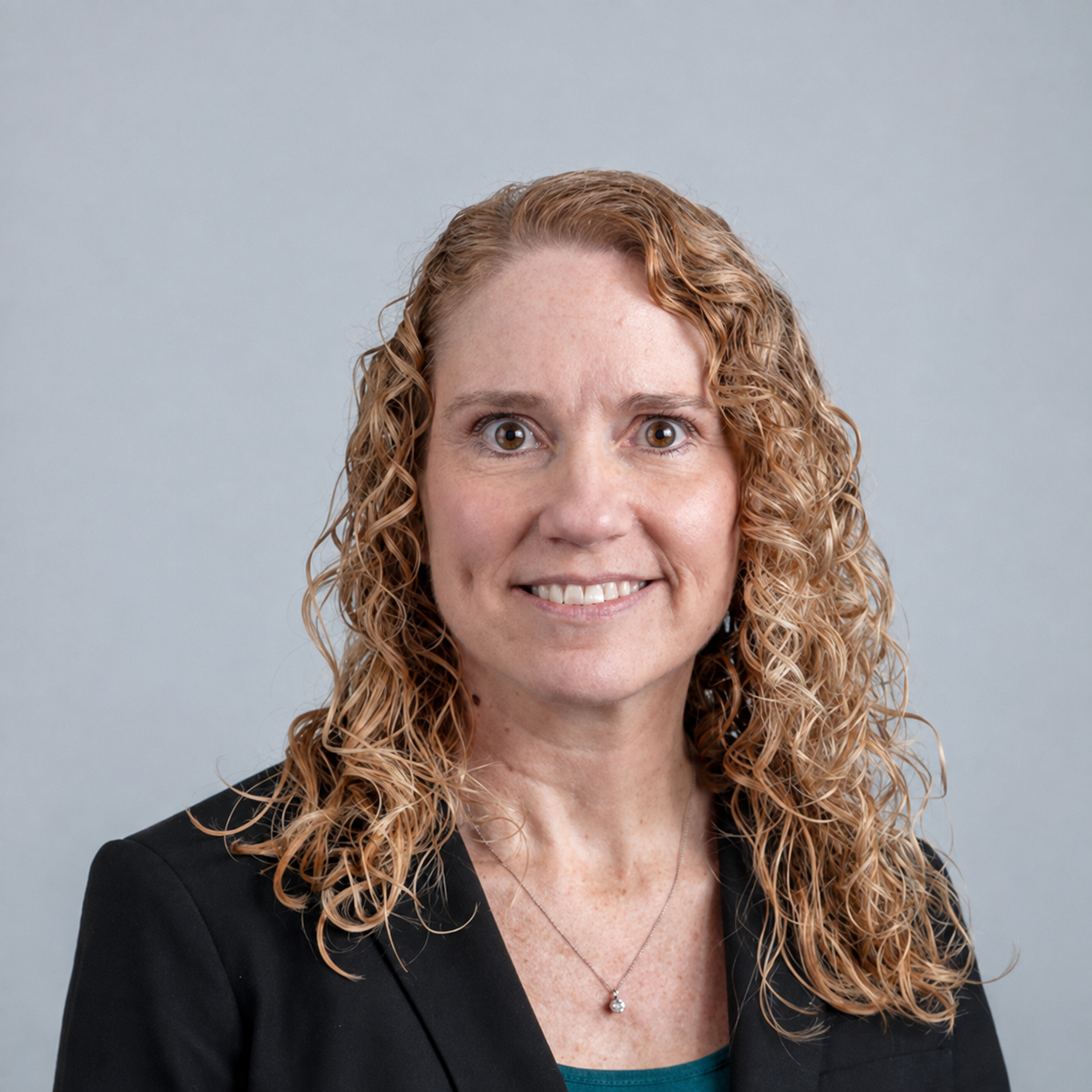
Associate Director, MGH Psychosis Consultation Service
Assistant Professor of Psychiatry, Harvard Medical School
Developmentally informed assessment and treatment planning for adolescents and adults with psychosis.
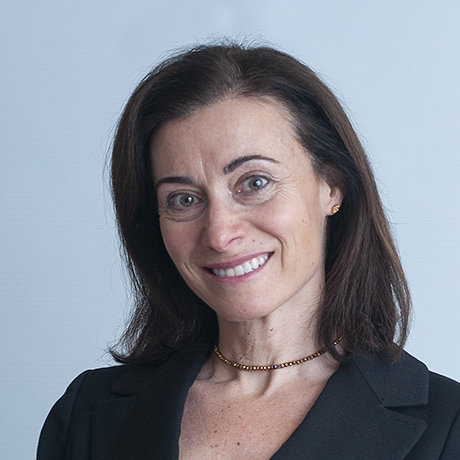
Director, Center of Excellence for Psychosocial & Systemic Research
Psychosocial treatment, medication adherence, and substance use.
Medical Director, MGH Clozapine Clinic
Diagnostic clarification and medication optimization.

Director of Family Services
Family-centered care and evidence-based psychosocial services.
Psychiatric Nurse Practitioner
Systems navigation, care processes, and community resources.

Child & Adolescent Psychiatrist
Assessment and treatment guidance for children and young adults with psychosis.
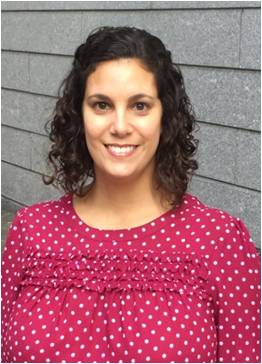
Program Manager
Program operations and quality improvement.
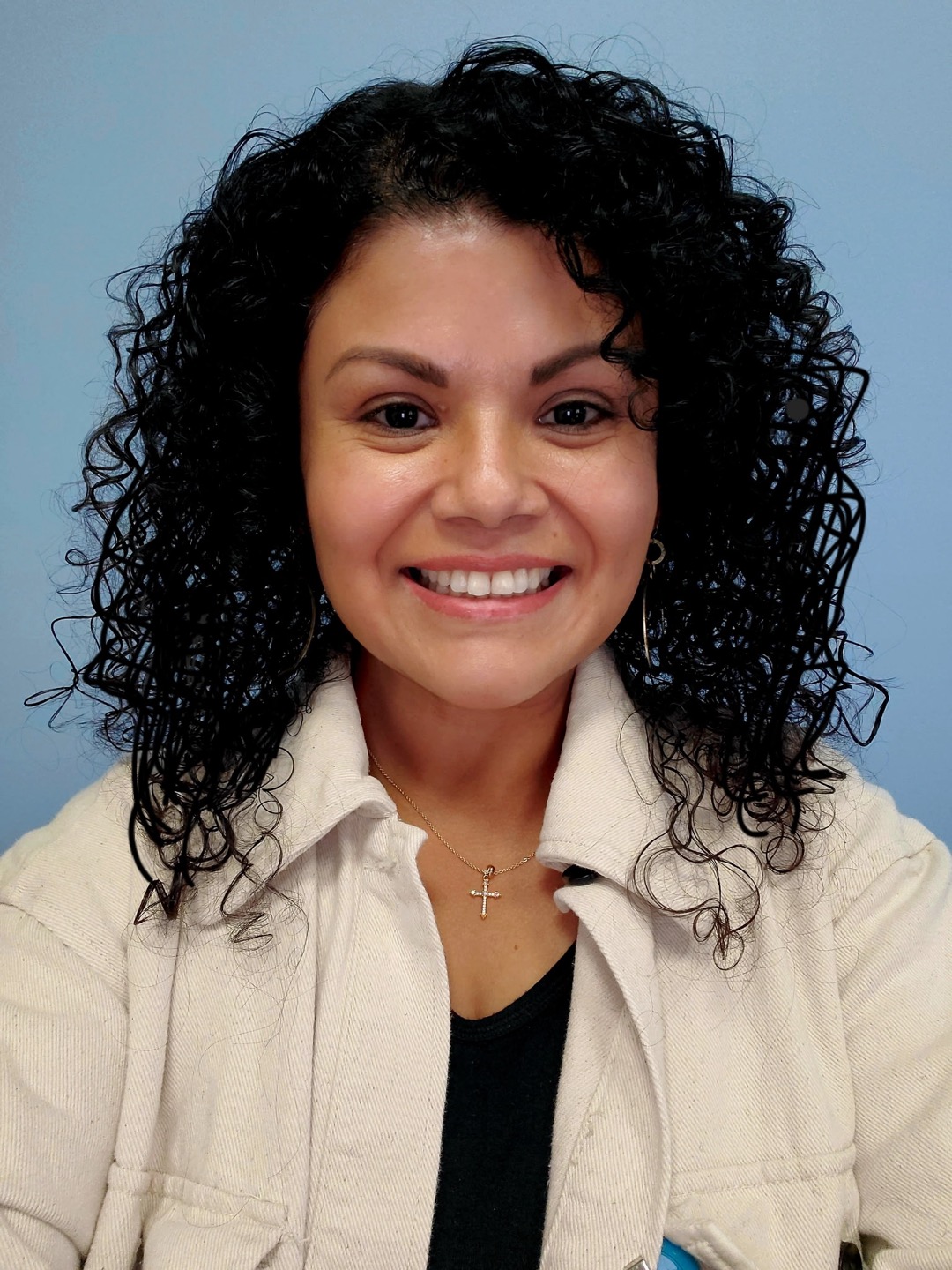
Program Coordinator
Referrals and patient-care coordination.
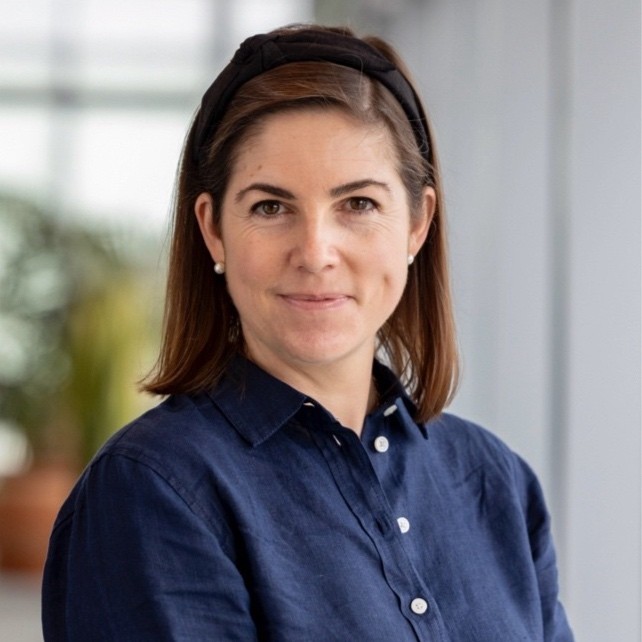
Senior Director of Development
Philanthropy and program development.
Helpful information
Answers about second-opinion consultations, options for families, insurance, and what happens after the visit.
For questions about the consultation service or referral process, call 617-643-1175.
In-person consultation location
151 Merrimac Street, 4th Floor